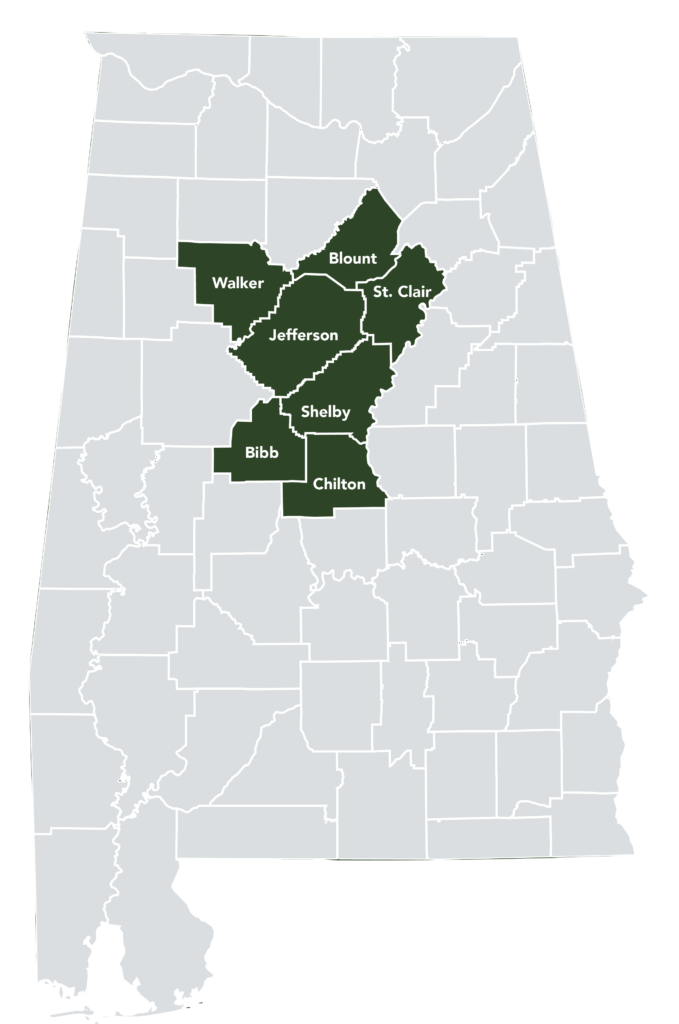
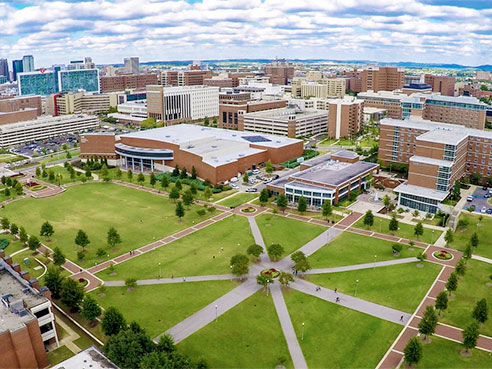
Home to Alabama’s largest metropolitan area, the Birmingham-Hoover MSA anchors a diverse and steadily expanding regional economy fueled by healthcare, finance, advanced manufacturing, and logistics. Known as “The Magic City,” Birmingham spans seven counties and includes major population centers such as Hoover, Vestavia Hills, and Bessemer, with the core city located in Jefferson County. The MSA’s 1.19 million residents benefit from strong institutional anchors, most notably the University of Alabama at Birmingham (UAB), the state’s largest employer and a globally recognized medical research institution, which helps drive employment and stabilize the population.

Birmingham Economy

Birmingham’s economy is one of the most diversified and resilient in the Southeast, anchored by a strong mix of healthcare, finance, manufacturing, and logistics. The University of Alabama at Birmingham (UAB) serves as the economic engine of the region as the state’s largest employer and a nationally recognized medical research institution, supporting more than 35,000 jobs across clinical care, education, and biotech innovation. This healthcare ecosystem has generated a wide platform of research firms, specialty medical services, and life-sciences companies that continue to attract talent and private investment into the MSA.

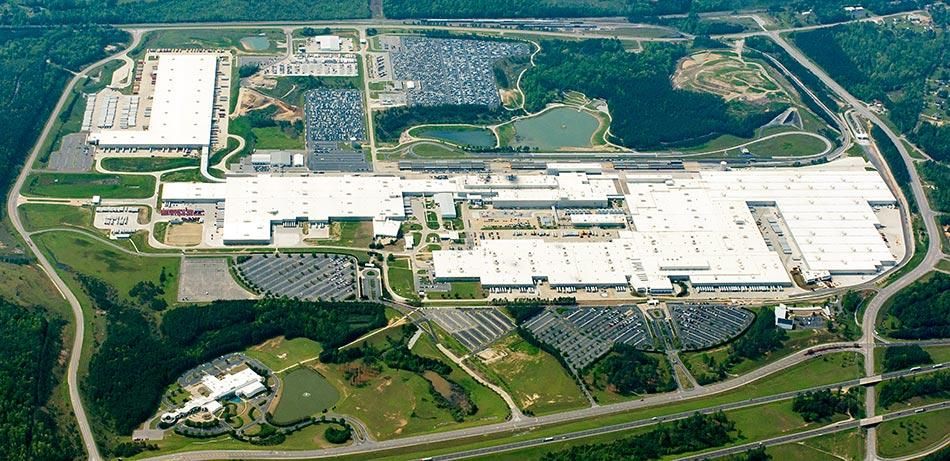
While Birmingham’s history is rooted in steel production, the region has transitioned into a modern manufacturing base that emphasizes advanced materials, industrial metals, and building products. More than 200 advanced manufacturing and materials companies operate within the metro, supported by a deep supply chain and a skilled labor force. Distribution and logistics also play an expanding role due to Birmingham’s central location within the Southeast and multimodal connectivity through major interstates, rail systems, and cargo networks, making the market well-positioned for supply-chain and e-commerce growth.

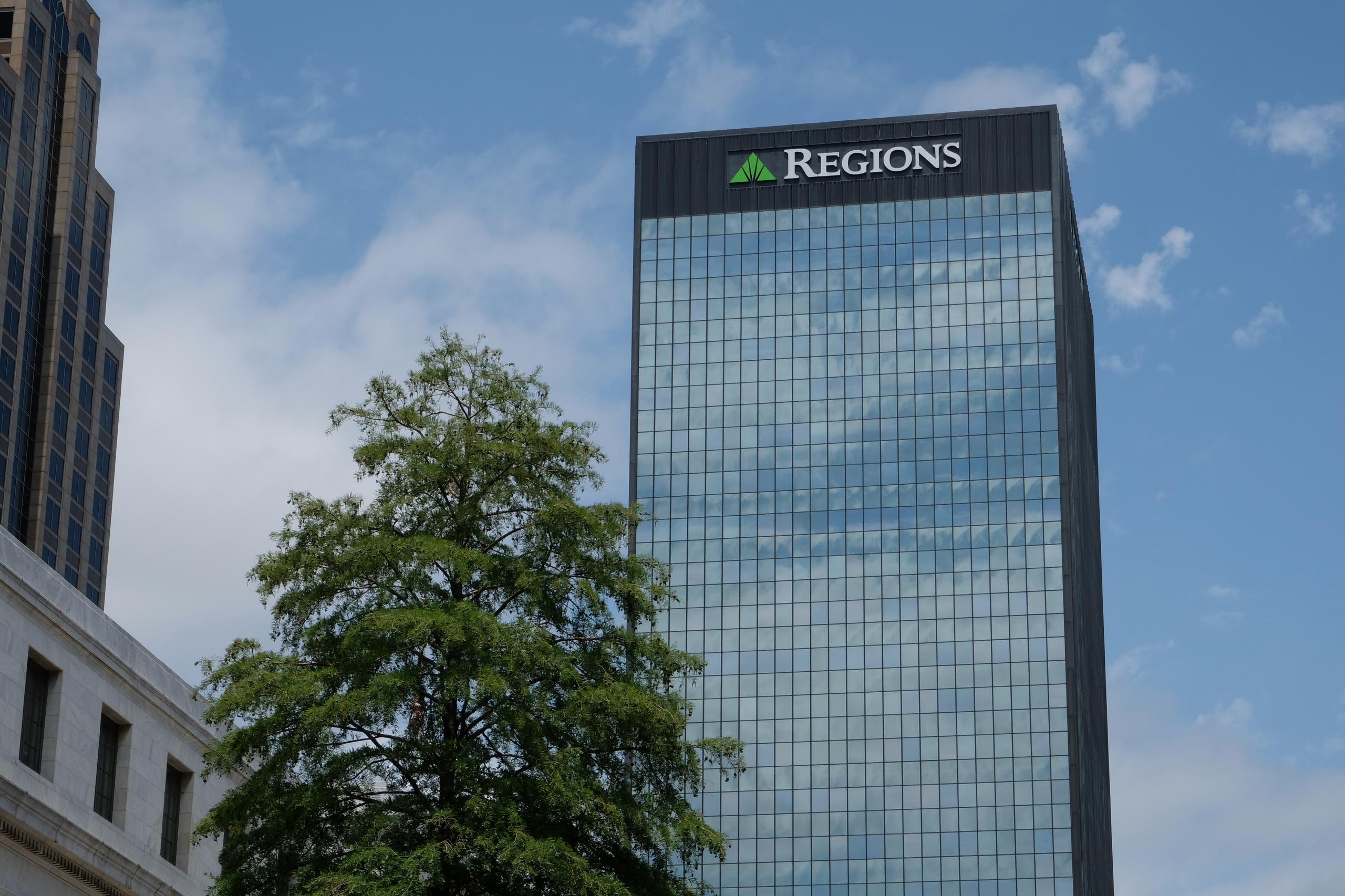
The city also functions as Alabama’s financial hub, home to Regions Financial Corporation and a concentration of insurance, corporate services, and business-support firms that bolster the region’s white-collar employment base. This sector, paired with steady job gains in healthcare and manufacturing, has supported healthy population growth, rising median wages, and a tightening labor market, with unemployment rates consistently tracking below national averages. Together, these industries provide Birmingham with a durable and expanding economic foundation, driven by institutional strength, corporate headquarters, diversified industry investment, and long-term workforce development that continues to attract companies, families, and skilled professionals throughout the Southeast.


Population Analysis


Birmingham Population

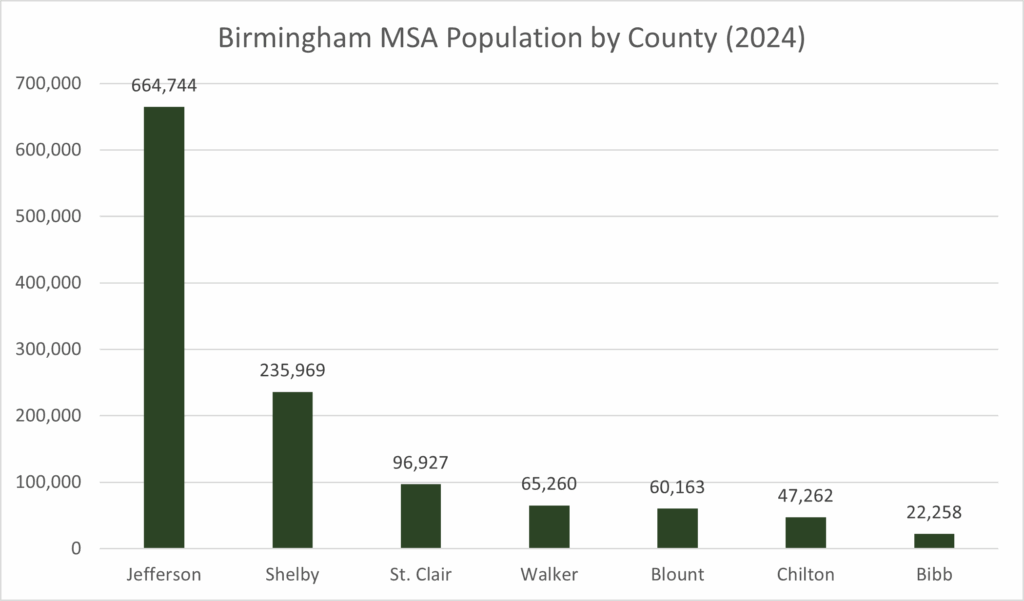
The 7-county Birmingham MSA had a 2024 population of 1,192,583. Jefferson County (Birmingham) and Shelby County account for over 75% of the population. St. Clair County (5.72%) and Shelby County (5.38%) were the two fastest-growing counties from 2020-24.


Demographics

Total Population (MSA)
1,192,583
Unemployment Rate (August 2025)
2.5%
Population Growth (2020-24)
0.91%

Multifamily Highlights

Birmingham Multifamily Analysis


Vacancy
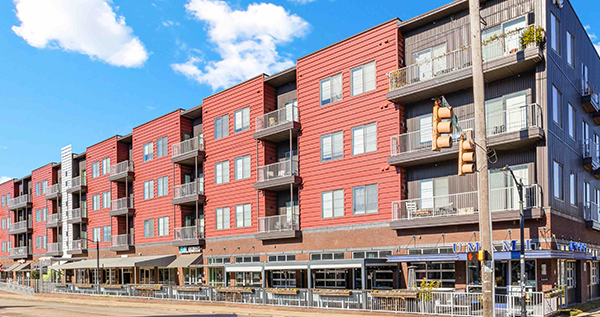
Birmingham’s vacancy rate stands at 13.7%, the highest level in more than 25 years and significantly above the national average of 8.3%. Despite the delivery of 2,307 new units over the past 12 months, net absorption totaled roughly 1,100 units, which exceeds the metro’s 10-year annual average of ≈ 590 units. Persistent new supply, particularly in submarkets such as Downtown Birmingham and Hoover/Vestavia Hills, has prevented meaningful tightening even as stabilized product performs better.

Rent Performance
After peaking near 9% YoY in 2022, rent growth has turned slightly negative. Asking rents declined 0.8% year-over-year as concessions became more common. The market’s average asking rent is $1,255/month, well below the U.S. average of $1,760/month.

Rent softness reflects the oversaturation of recently delivered luxury units and aggressive lease-up incentives needed to maintain occupancy.

Absorption
The metro recorded 1,102 units absorbed in the last 12 months, roughly double its decade-long average, but this was overshadowed by heavy delivery volume. Quarterly absorption in Q3 2025 was the highest since 2021, underscoring resilient renter demand despite broader economic headwinds. Still, absorption has not been sufficient to offset sustained new supply, keeping overall vacancy elevated.

Construction Pipeline
After years of accelerated development, construction has slowed but remains active. As of Q4 2025, 516 units are under construction, the lowest total since 2019 and representing roughly 2.0% of existing inventory. Slowing starts and declining pipeline volume are expected to help balance fundamentals as recently delivered units lease up.

Primary Source: CoStar

Major Employers

  1. UAB & UAB Hospital

    35,000 Jobs / 1,207 Beds  | Learn More
  2. Regions Financial Corporation HQ

    9,000 Jobs  | Learn More
  3. Walmart

    7,750 Jobs  | Learn More
  4. Mercedes-Benz

    6,000 Jobs  | Learn More
  5. Children's of Alabama

    5,635 Jobs / 332 Beds  | Learn More
  6. AT&T

    4,517 Jobs  | Learn More
  7. Grandview Medical Center

    3,516 Jobs / 434 Beds  | Learn More
  8. Blue Cross Blue Shield of Alabama HQ

    3,100 Jobs  | Learn More
  9. Birmingham VA Medical Center

    2,795 Jobs / 313 Beds  | Learn More
  10. American Cast Iron Pipe HQ

    1,750 Jobs  | Learn More
  11. Brasfield & Gorrie HQ

    1,487 Jobs  | Learn More
  12. Protective Life Corporation HQ

    1,475 Jobs  | Learn More
  13. Samford University

    1,158 Jobs / 6,324 Students  | Learn More
  14. Magna Kamtek HQ

    1,100 Jobs  | Learn More

Other Demand Drivers

  1. Riverchase Galleria

    1,402,378 SF; 156 retailers; Belk, JCPenney, Forever 21  | Learn More
  2. The Summit

    1M SF; Belk, Trader Joe's, REI, Saks Fifth Avenue  | Learn More
  3. Birmingham-Shuttlesworth International Airport

    4 major airlines; 3.2 passengers in 2024  | Learn More
  4. Protective Stadium

    $200M; 45,000 capacity; Home of UAB footbal  | Learn More
  5. Uptown Entertainment District

    TopGolf; 1,056 hotel beds; BJCC  | Learn More
  6. Birmingham Zoo

    600,000+ annual visitors  | Learn More
  7. University of Alabama

    42,360 enrollment; $3.4B in economic impact  | Learn More

Sources & Comments

1. Birmingham, AL Metropolitan Statistical Area consists of 7 counties, according to Office of Management and Budget: (1) Bibb (2) Blount (3) Chilton (4) Jefferson (5) St. Clair (6) Shelby (7) Walker

2. Primary Sources: (1) https://fred.stlouisfed.org/ (2) YardiMatrix (3) CoStar (4) rcanalytics.com (5) www.bls.gov (6) https://www.bizjournals.com/birmingham

3. Sales Comps are from 11/2024 – 11/2025

4. Development Pipeline as of 11/2025

5. This information supplied herein is from sources we deem reliable. It is provided without any representation, warranty, or guarantee, expressed or implied as to its accuracy